
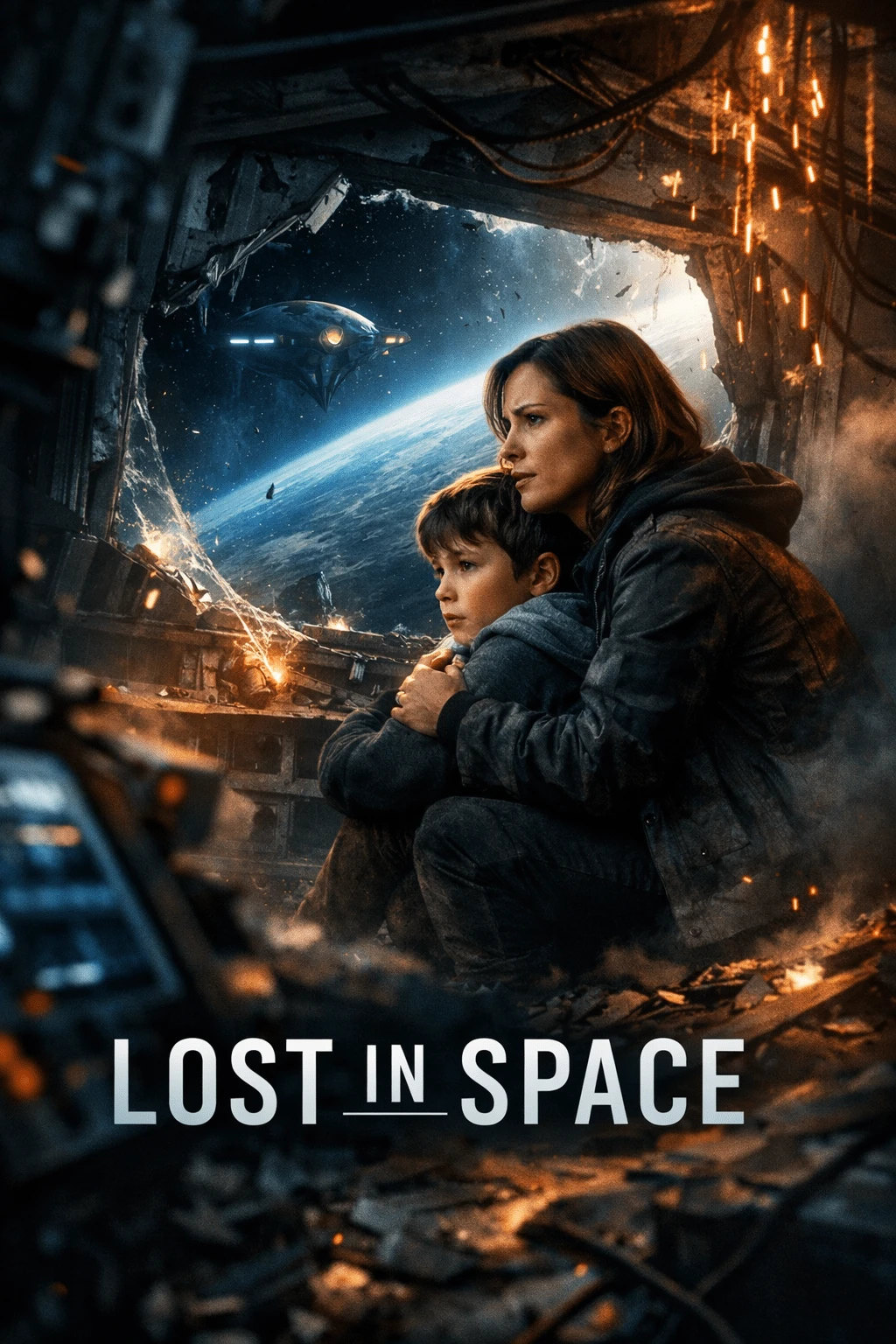
Hello, everyone! How’s everything? Today, I’m excited to discuss the show Lost in Space, which expertly reinterprets the classic 1960s sci-fi series for today’s viewers, featuring breathtaking visuals, engaging family dynamics, and thrilling survival narratives.
Advertisements
Lost in Space debuted on Netflix on April 13, 2018, presenting 28 episodes over three seasons before wrapping up on December 1, 2021. Each episode lasts around 50-60 minutes, making it ideal for an immersive binge-watching experience. This Netflix original remake tracks the Robinson family as they find themselves stranded on an alien world after their colony ship veers off course, compelling them to unite in order to endure perilous environments while searching for a route back home.
The series skillfully modernizes the cherished 1960s concept with contemporary storytelling techniques and production standards that match major films. Unlike many remakes that merely rehash familiar plots, Lost in Space redefines the fundamental idea with richer character development, authentic family dynamics, and genuine stakes that engage viewers in every survival ordeal. The show retains the essence of the original while crafting something entirely novel and pertinent for today’s audiences.
What distinguishes this Netflix reboot is its dedication to anchoring fantastic sci-fi ideas in real human emotions and connections. The Robinson family feels genuine as they confront extraordinary challenges, grappling with both external threats and internal tensions that test their relationships. Lost in Space demonstrates that the finest science fiction uses futuristic backdrops to delve into timeless themes surrounding family, sacrifice, and the meaning of home.
John and Maureen Robinson: Leading Through Adversity
Toby Stephens and Molly Parker deliver remarkable performances as John and Maureen Robinson, parents who must navigate not just alien threats but also the intricacies of guiding their family through crisis while sustaining their marriage. Their relationship in Lost in Space illustrates how extreme situations can both fortify and challenge partnerships, as they confront choices that balance survival against ethical values. John’s military experience and Maureen’s scientific knowledge establish a dynamic where both parents contribute vital skills while learning to rely on each other’s decisions.
The series excels at depicting how parental duties shift when conventional frameworks collapse. Both John and Maureen must modify their methods of safeguarding their children while granting them the autonomy needed for survival, generating authentic family tensions that resonate beyond the sci-fi backdrop.
The Robinson Kids: Maturing in Extraordinary Circumstances
Maxwell Jenkins, Taylor Russell, and Mina Sundwall portray the Robinson children as Will, Judy, and Penny, each confronting distinct challenges that test their individual strengths and family ties. Will’s unique bond with the enigmatic Robot leads to some of the series’ most heartfelt moments, while Judy’s medical skills become crucial to the family’s survival efforts. Penny’s transformation from hesitant participant to indispensable team member highlights how crises can uncover hidden potential.
The chemistry among the siblings feels genuine, especially during times when they must collaborate despite typical teenage disagreements. Lost in Space refrains from patronizing its younger characters, instead illustrating how extraordinary situations can hasten maturity while preserving the core traits that make each child unique and vital to the family unit.
Dr. Smith: The Unpredictable Survival Element
Parker Posey’s reimagining of Dr. Smith shifts the character from a campy antagonist to a psychological manipulator whose presence creates ongoing tension and uncertainty. Her performance enriches Lost in Space by introducing a character whose survival instincts often clash with the group’s best interests. Dr. Smith’s interactions with the Robinson family exemplify how trust can be both crucial and perilous when survival hinges on collaboration.
The character serves as a continuous reminder that human nature can be as menacing as any alien threat, presenting moral challenges that compel the Robinson family to reassess their values while fighting for their survival.
The Final Season: A Grand Conclusion
The series hits its emotional and narrative heights in the third season as all plotlines converge towards the Robinson family’s ultimate destiny. Lost in Space fulfills every promise made throughout the series, delivering gratifying conclusions to character arcs while maintaining the high-stakes drama and emotional richness that made the show exceptional. The concluding episodes highlight how the family’s individual growth throughout their journey has readied them for their most significant challenges.
Rather than simply offering easy resolutions, the finale delves into how the Robinson family’s experiences have fundamentally transformed them and how they decide to utilize those changes to assist others facing similar trials.
A Triumph on Netflix
Lost in Space emerged as one of Netflix’s most acclaimed sci-fi series during its three-season tenure from 2018 to 2021, receiving praise for its visual effects, performances, and thoughtful approach to modernizing a classic source. The series demonstrated that audiences still crave family-centric adventure tales that merge spectacular sci-fi elements with genuine emotional stakes. Each episode provided cinematic production quality with narratives that balanced action, character development, and scientific problem-solving in ways that appealed to both adults and younger audiences. Lost in Space illustrated Netflix’s capability to produce premium original content that respects beloved properties while carving out its unique identity, setting a high benchmark for how classic series can be effectively reimagined for contemporary viewers.
Ideal for Family Sci-Fi Adventure Lovers
If you enjoy exploring family dynamics, space adventures, and survival narratives that blend stunning visuals with heartfelt character growth, Lost in Space is the perfect show to stream on Netflix. The series thrives because it never forgets that the finest sci-fi adventures ultimately revolve around the connections that uphold us through unimaginable challenges.
Why This Reboot is Worth Your Time
Lost in Space exemplifies that the best reboots do more than update visual effects and production standards; they discover innovative ways to investigate the timeless themes that have ensured the original concept’s longevity. This Netflix series pays tribute to its source material while crafting something entirely its own, providing a viewing experience that will leave you both emotionally fulfilled and eager for humanity’s next great journey among the stars.
Series Information
Number of Episodes: 28 episodes (3 seasons, completed series)
Platform: Netflix
Release/End Year: 2018-2021
Current IMDb Rating: 7.3/10
Genre: Sci-Fi Adventure, Family Drama
Status: Completed series
Main Characters: Toby Stephens (John Robinson), Molly Parker (Maureen Robinson), Maxwell Jenkins (Will Robinson), Taylor Russell (Judy Robinson), Mina Sundwall (Penny Robinson), Parker Posey (Dr. Smith), Ignacio Serricchio (Don West)
Supporting Characters: Brian Steele (Robot), various alien beings and fellow space colonists