
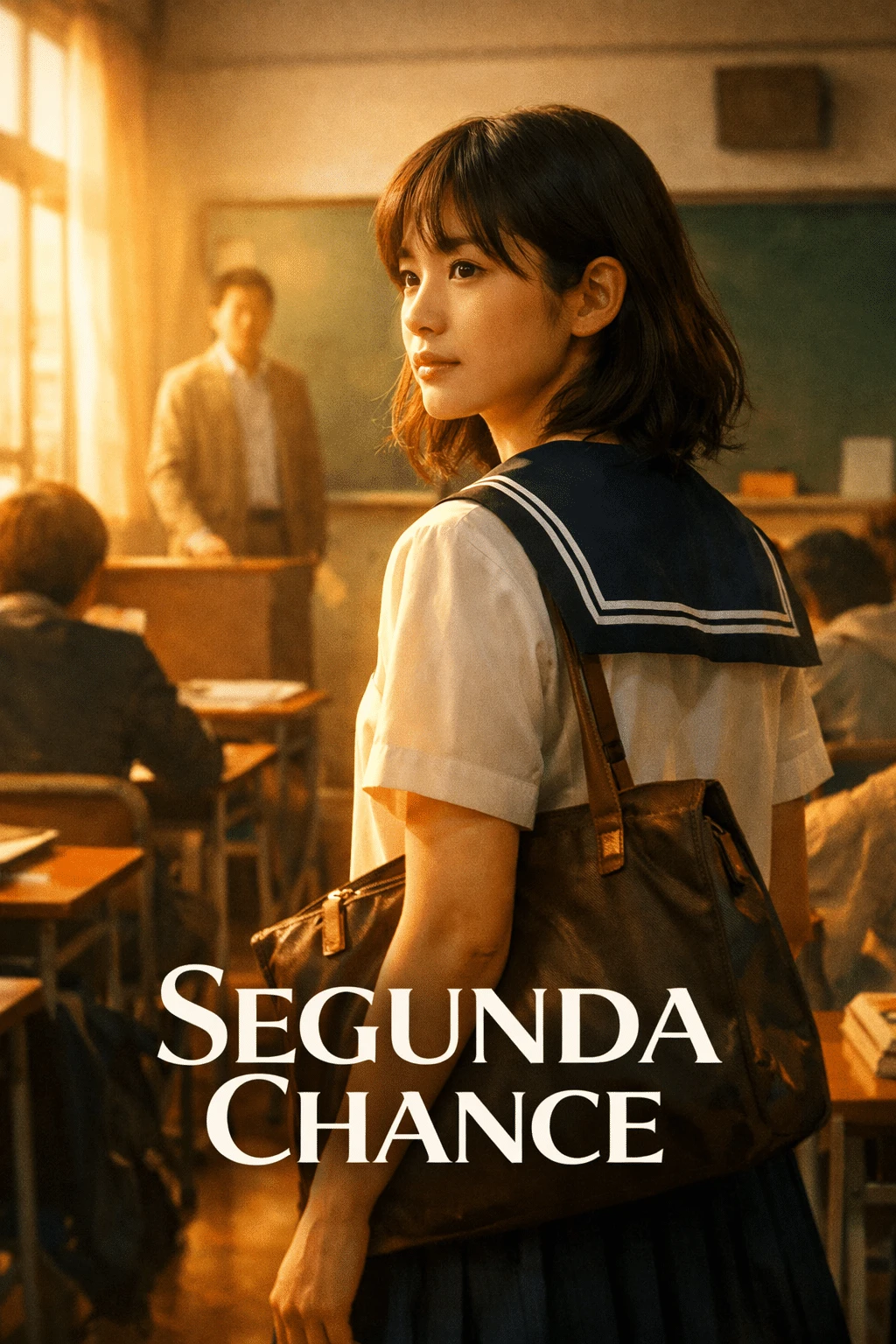
The Journey of Redemption: Exploring Second Chances
While I couldn’t locate a specific Japanese series named “Second Chance” that aligns with the given description, the idea of a woman revisiting pivotal moments in her life in pursuit of redemption strongly resonates with “Brush Up Life” (2023), a Japanese drama that effectively delves into similar themes. This analysis will explore both the conceptual foundation and the narrative opportunities that such a series presents.
Advertisements
The Fundamental Concept of Second Chances
The idea of a woman having the ability to re-experience a significant moment in her life encapsulates one of the most profound fantasies within human existence: the opportunity to rectify mistakes, make alternative choices, and seek atonement for past actions. This narrative foundation provides fertile ground for examining themes like fate versus free will, the consequences of decisions, and the transformative power of regret.
The path of self-discovery through revisiting past experiences allows for profound reflection on how seemingly minor choices can yield significant outcomes. Each attempt to relive the same timeframe presents opportunities for personal development, understanding intricate relationships, and uncovering hidden facets of one’s personality.
Growth of Characters and Emotional Maturation
The protagonist’s growth arc serves as the emotional core of this story. At first, she likely approaches her “second chances” with a mindset focused on mere correction – altering specific actions to garner different results. However, authentic transformation occurs when she recognizes that true redemption lies not just in changing external factors but in shifting her internal viewpoint.
Revisiting experiences facilitates a thorough examination of family ties, romantic connections, and friendships. The protagonist is able to see how her earlier actions impacted those around her, cultivating empathy and insights that were absent in her original journey. This process of self-awareness through repetition sheds light on behavioral patterns, defense mechanisms, and core values.
Investigation of Philosophical Ideas
A series with such a premise inevitably confronts profound existential inquiries. The cyclical nature of the narrative allows for the investigation of ideas like karma, poetic justice, and the interconnectedness of human actions. The protagonist faces the challenge of determining how much change is feasible when she is aware of life’s “script,” pondering whether fate is predetermined or flexible.
The series also delves into the tension between acceptance and change. Not every aspect of life can or should be altered, and part of the journey involves discerning what is subject to change and what must be embraced as is. This wisdom often holds more significance than the mere ability to revisit past events.
Interpersonal Dynamics and Human Relationships
The most poignant aspect of this premise lies in the chance to mend fractured relationships. The protagonist has the opportunity to convey unexpressed affection, seek forgiveness for past transgressions, and provide support during critical moments she previously overlooked. These healing interactions frequently carry more weight than significant plot alterations.
The series also examines how foreknowledge can both facilitate and complicate relationships. The protagonist must balance using her insights for the benefit of others while maintaining the authenticity of her connections. This delicate interplay between benevolent influence and emotional integrity creates constant narrative tension.
Unforeseen Outcomes and Ethical Nuances
A nuanced approach to this premise inevitably investigates how seemingly beneficial changes may lead to unexpected consequences. The protagonist might discover that “fixing” one issue introduces new challenges, or that certain pain is essential for personal development. This moral complexity elevates the narrative beyond mere wish fulfillment.
The series also scrutinizes the burden of responsibility that accompanies foreknowledge. The protagonist wrestles with dilemmas of intervention versus non-intervention, particularly when she is aware of future tragedies impacting others. This added moral weight infuses psychological tension into the storyline.
Fantasy Elements and Emotional Authenticity
Though the premise is fantastical, the emotional resonance of the series stems from its commitment to psychological realism. The feelings, relationships, and personal evolution must resonate as genuine even within a supernatural setting. This blend of fantastical components with emotional authenticity is a hallmark of the finest Japanese dramas tackling similar subjects.
The series likely features elements of magical realism, where supernatural occurrences are integrated seamlessly into the narrative. This technique allows the emphasis to remain on the protagonist’s emotional journey while accepting the fantastical premise as a necessary catalyst for growth.
Possibilities for Catharsis and Resolution
The ultimate aim of this journey is to attain true catharsis – not just for the protagonist, but also for the audience who empathizes with her regrets and yearnings for redemption. A fulfilling resolution doesn’t always entail “fixing” everything but rather achieving inner tranquility and acceptance of the choices made.
The series conveys the message that personal growth is always within reach and that redemption is attainable even for those burdened by heavy regrets. This universally appealing theme is what renders “second chance” narratives so impactful and emotionally resonant.
Cultural and Global Significance
In the context of Japanese culture, themes of redemption and personal growth through repetition reflect Buddhist ideas of rebirth and karma. Nonetheless, the universality of human regret and the aspiration for second chances render the narrative pertinent to audiences worldwide.
The series serves as a contemplation of the essence of personal transformation and the potential for change at any stage of life. This hopeful message of renewal is particularly relevant in societies that place a premium on making the “right” choices during youth.
Final Thoughts
A series that explores the notion of a woman revisiting critical moments in her life opens up rich narrative avenues for delving into deeply human themes. The combination of fantastical elements with emotional authenticity, character growth through repetition, and the universal quest for redemption creates a premise with the potential for lasting emotional impact.
The success of such a narrative hinges on its ability to balance the fantastical with emotional truth, providing genuine insights into personal development and human connections. When executed with care and depth, it can lead to a viewing experience that not only entertains but also offers valuable perspectives on the nature of change and personal redemption.