
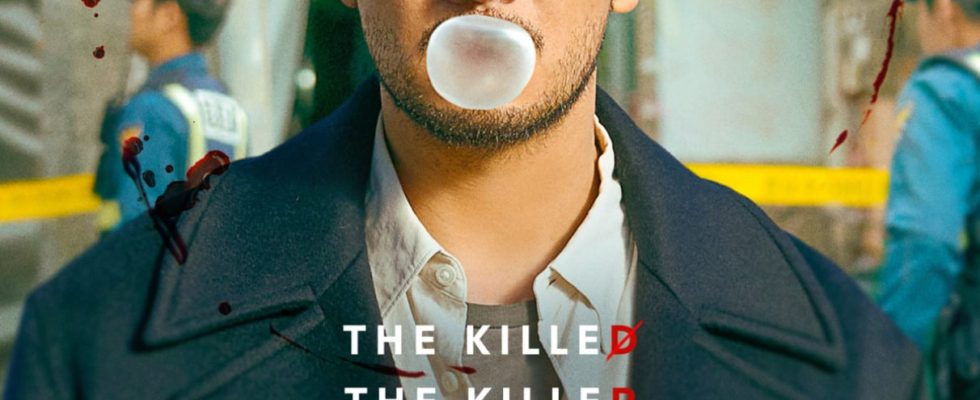
Welcome! Today, I’ll discuss the gripping drama A Killer Paradox, one of Netflix’s standout K-dramas of 2024. This psychological thriller takes viewers on a harrowing journey of an average college student who becomes an unexpected vigilante following an accidental murder.
Advertisements
A Killer Paradox debuted on Netflix on February 9, 2024, featuring 8 episodes, each around 60 minutes long. Directed by Lee Chang-hee and penned by Kim Da-min, the series is inspired by the Naver webtoon “Sarinjaonnangam” by Kkomabi. It presents a darkly humorous exploration of justice and morality, blurring the lines between heroism and crime.
The narrative centers on Lee Tang, a college student with a part-time job at a convenience store. His life takes a dark turn when a moment of rage leads to an accidental murder. This series distinguishes itself by delving into moral complexities surrounding “justified” killings, compelling viewers to reflect on their own moral standings as the protagonist uncovers an unsettling talent for identifying evil.
Lee Tang’s Transformation: From Student to Vigilante
The story kicks off with a confrontation: Lee Tang (Choi Woo-shik) faces a difficult customer during his shift. A heated moment results in the man’s accidental death by hammer. Soon, it’s revealed that the victim was a serial killer, establishing the moral quandary that fuels the series.
As Lee Tang comes to terms with his actions, he notices a disturbing trend: those who provoke his violent instincts are often criminals. This realization pushes him toward a path of vigilantism, where he believes he has a unique ability to unveil true evil. The series expertly combines dark humor with psychological horror as Lee evolves from a lost student to a self-styled arbiter of justice.
Choi Woo-shik’s Compelling Performance as Lee Tang
Choi Woo-shik shines as Lee Tang, showcasing his versatility well beyond his role in Parasite. His portrayal of a young man descending into vigilantism is both captivating and unsettling. A Killer Paradox allows Choi to delve into the psychological intricacies of a character who believes he’s enacting good, despite his violent actions.
We witness Lee Tang’s evolution from a rudderless student to someone convinced of his mission to eradicate evil. Choi expertly conveys his character’s inner turmoil between increasing confidence in his role and doubts about becoming the monster he seeks to counter. His performance elicits both sympathy and fear, underscoring the series’ exceptional writing.
Detective Jang Nan-gam: The Tenacious Pursuer
Son Suk-ku brings depth to Detective Jang Nan-gam, the determined investigator intent on capturing Lee Tang. His character serves as both the antagonist and the ethical compass of A Killer Paradox, embodying traditional justice.
Son Suk-ku effectively portrays a detective who becomes increasingly obsessed with the case, sometimes employing questionable tactics. The narrative examines how the quest for justice can taint even the most principled, drawing a poignant parallel between hunter and hunted. The chemistry between him and Choi Woo-shik creates some of the most intense moments in recent K-drama.
Moral Dilemmas: When Justice Turns Personal
Tension escalates when Lee Tang’s choices begin affecting innocent lives, and Detective Jang closes in on him. A Killer Paradox confronts the viewer with the repercussions of taking justice into one’s own hands.
The turning point occurs when Lee Tang must decide whether to continue his mission at the risk of harming those he loves, while Detective Jang grapples with his own moral limits in capturing Lee. These moments emphasize the series’ strength in presenting genuine moral complexity without easy resolutions.
The Ripple Effect of Consequences
Lee Hee-joon and the supporting cast enhance the narrative’s moral ambiguity in A Killer Paradox. Each character contributes to exploring themes of justice, guilt, and the fallout from violence.
The series skillfully illustrates how Lee Tang’s actions affect not just his immediate victims but everyone connected to them. Supporting characters reflect different choices Lee could have made, showcasing responses to trauma and injustice that steer clear of murder.
Critical Reception: Acclaim and Controversy
A Killer Paradox has received notable critical acclaim on Netflix, reflected in a perfect 100% critic score on Rotten Tomatoes with an average rating of 7.2/10. Critics admire the series for its complex moral questioning, although its dark themes have challenged some viewers. The eight hour-long episodes facilitate extensive character development while maintaining the psychological intensity that captivates audiences. A Killer Paradox stands out as a premier series on Netflix, especially showcasing Choi Woo-shik’s dramatic range.
A Thought-Provoking Thriller Not to Miss
If you’re drawn to psychological thrillers that challenge moral perspectives and avoid easy answers about justice, A Killer Paradox is an essential watch on Netflix. It’s not merely entertainment; it’s a profound examination of the consequences when ordinary individuals assume the role of judge and jury.
Reasons to Watch This Dark Narrative
A Killer Paradox succeeds by not glamorizing vigilante action while acknowledging the frustrations that lead some to consider it. The series compels viewers to scrutinize their beliefs about justice and whether the means can ever justify the ends. This engaging narrative will spark discussions long after viewing, prompting reflection on both character choices and the essence of justice itself.
Series Overview
Episodes: 8 (Complete Season)
Available On: Netflix
Year Released: 2024
Current IMDb Rating: 7.8/10
Genres: Psychological Thriller, Crime Drama, Dark Comedy
Status: Season 1 Complete (Future seasons possible)
Main Cast: Choi Woo-shik (Lee Tang), Son Suk-ku (Detective Jang Nan-gam)
Antagonist: The moral complexities of vigilante justice