
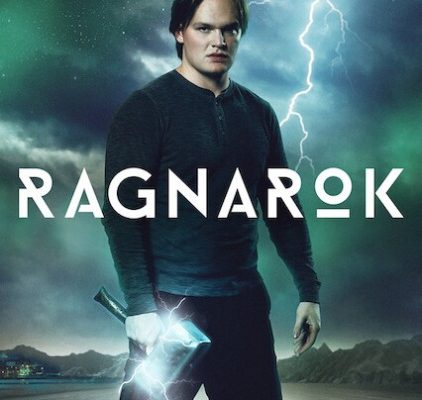
What happens when ancient Norse mythology collides with pressing environmental issues? Enter Ragnarok, a Netflix series that intricately weaves timeless legends into a contemporary narrative focused on climate battles, showcasing a teenage Thor navigating the complexities of modernity and ecological peril.
Advertisements
Since its debut on Netflix on January 31, 2020, Ragnarok has captivated audiences with three seasons spanning a total of 18 episodes, each roughly 45 minutes long, concluding on August 24, 2023. Created by Emilie Lebech Kaae and Adam Price, this Norwegian fantasy drama marked Netflix’s third venture into original Norwegian-language programming. Set in the fictional town of Edda in Hordaland, the series reinvents Norse myths while addressing contemporary dilemmas stemming from climate change and environmental harm, presenting a distinctive fusion of ancient storytelling and modern relevance.
The story revolves around Magne Seier, a shy adolescent who uncovers his identity as the reincarnation of Thor, the thunder god, while returning to his hometown beset by industrial pollutants and climate degradation. Rather than merely recounting old myths, Ragnarok harnesses them to delve into current societal challenges like corporate corruption and the moral imperative of youth activism, all while clad in a compelling Scandinavian narrative that revitalizes superhero storytelling in a fresh and urgent context.
Corporate Giants and Environmental Catastrophe
At the core of the series is the Jutul family, depicted as affluent industrialists responsible for the pollution plaguing Edda but in reality ancient giants (jötnar) existing in human guise. These modern-day titans symbolize rampant corporate greed and environmental devastation, deploying their businesses to systematically contaminate the region’s air and water, all while manipulating local governance to secure their influence.
Ragnarok excels in transforming Norse myth into a commentary on today’s environmental and societal challenges. The age-old discord between gods and giants mirrors the contemporary struggles faced by activists combating environmental degradation, thus making its fantastical elements both accessible and pertinent.
The series’ triumph lies in its ability to link mythological themes with relatable modern issues, nurturing viewers’ investment not only in the characters’ personal tribulations but also in the larger ecological battle they are engaged in.
Magne Seier: Embracing His Divine Identity
David Stakston’s portrayal of Magne Seier is a highlight, showcasing a remarkable transformation from an awkward teenager to a confident heir of Thor’s powers. Across the seasons, Stakston adeptly conveys Magne’s vulnerability as he grapples with his identity and the burgeoning strength that comes from accepting his godly lineage.
The character arc of Magne is integral to exploring themes of responsibility and maturation. As he learns to harness his extraordinary abilities—superhuman strength, the capability to wield Thor’s hammer, and control over lightning—he also learns to wield them judiciously in a world where repercussions are tangible.
Stakston’s performance effectively grounds the mythological journey in authentic emotional experiences, making Magne’s evolution from a socially isolated teenager to a determined environmental champion feel both grand and intimate.
Laurits: Navigating Complex Family Dynamics
Jonas Strand Gravli adds depth and complexity to the character Laurits, Magne’s half-brother, whose own mythological background imbues the series with moral complexities and familial tension. Laurits lives out the trickster archetype, encapsulating the unpredictable dynamics of family connections when intertwined with supernatural elements.
The interplay between the brothers serves as the emotional anchor of the series, with their relationship undergoing trials from mythological truths and conflicting allegiances. Gravli skillfully depicts a character oscillating between ally and adversary, creating a Laurits who is both relatable and exasperating as he navigates increasingly convoluted decisions.
Supporting roles, including various members of the Jutul family and other mythical figures entwined within modern Edda, enrich the narrative fabric of the series, enhancing its exploration of age-old confrontations in a contemporary landscape.
Climactic Showdown for Earth’s Destiny
Though refraining from revealing spoilers, Ragnarok builds toward a finale that adeptly intertwines its environmental and mythological narratives in a decisive battle for the future of the Earth. The concluding season raises both personal stakes for Magne and his companions and escalates the worldwide implications of the age-old struggle between divine forces.
The series finale brings resolution to the mythological dilemmas while engaging with the genuine environmental issues that informed its narrative. This resolution illustrates how individual choices can resonate across the globe, highlighting that whether one is a reincarnated deity or an ordinary citizen willing to advocate for justice, their actions matter.
Ultimately, Ragnarok demonstrates an impressive capacity to utilize fantasy to address significant contemporary themes surrounding climate change, corporate ethics, and the transformational potential of youth.
Netflix Success Story
Ragnarok stands out as a key player in Netflix’s international strategy, illustrating how a Norwegian-language fantasy drama can resonate with global audiences when rooted in universal dilemmas. The series thrives on its original narrative approach to superhero tropes, intertwining fantastical storytelling with critical environmental themes that align with the interests of viewers today. Its breathtaking Norwegian landscapes coupled with strong character arcs forge a viewing experience that feels both culturally distinct and universally relatable. This popularity underscored Netflix’s commitment to diverse programming while emphasizing that environmental narratives can captivate audiences when supported by robust mythological frameworks.
Ideal for Fans of Mythic Environmental Drama
For those who appreciate fantasy series that resonate with contemporary issues and are not deterred by themes centered on environmental challenges blended with Norse mythology, Ragnarok is an exceptional choice for a Netflix binge. This Norwegian creation delights with compelling character arcs, breathtaking visuals, and storytelling that refreshes age-old legends for the modern viewer.
Reasons This Environmental Fantasy Deserves Recognition
Positive Aspects:
- Stakston and Gravli deliver remarkable performances as layered brothers
- Innovative amalgamation of Norse mythology with pressing social and environmental themes
- Breathtaking Norwegian cinematography that captures both beauty and ecological decline
- Insightful examination of corporate ethics and youth activism viewed through a fantastical lens
- Rich character progression that grounds mythological elements in emotional realism
Negative Aspects:
- Some viewers expressed dissatisfaction with the final season’s resolution
- Pacing issues arise while juggling teenage drama with grand mythological narratives
- Environmental messages can occasionally come off as overt rather than subtle
- Limited production budget is evident in special effects at times
- Understanding of Norse mythology may enhance viewer appreciation of all references
Ragnarok affirms that the most impactful fantasy series leverage ancient narratives to shed light on contemporary challenges, creating entertainment that is both a form of escapism and a significant commentary on our modern realities.
Series Specifications
- Total Episodes: 18 episodes across 3 seasons (6 + 6 + 6)
- Streaming Platform: Netflix
- Release Duration: 2020-2023
- IMDb Score: 7.3/10
- Genres: Fantasy Drama, Environmental Thriller, Coming-of-Age
- Production Type: Norwegian series
- Status: Completed (all 3 seasons finished)
- Main Characters: David Stakston (Magne Seier/Thor), Jonas Strand Gravli (Laurits)
- Antagonists: The Jutul family (various actors portraying giant family members)