
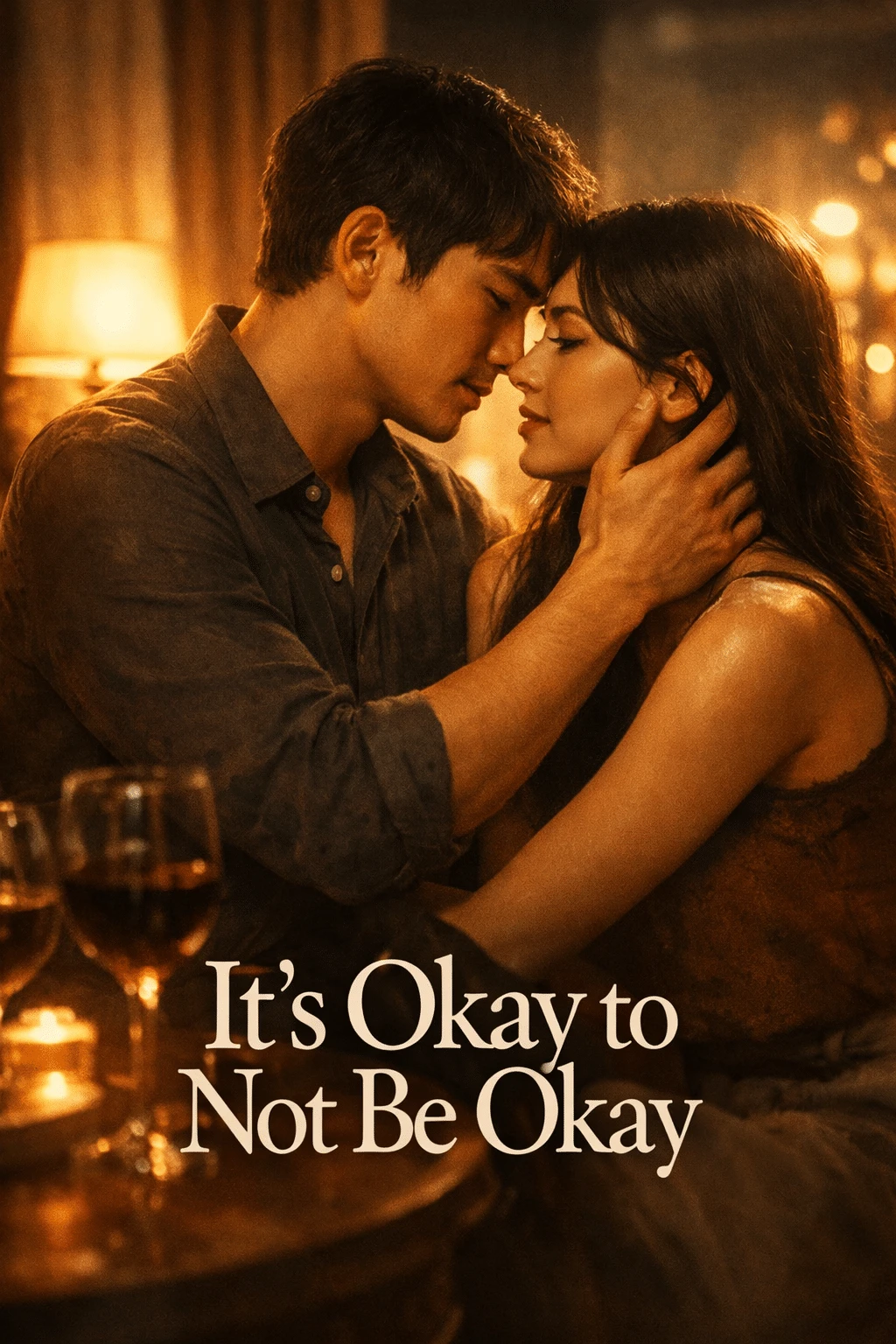
Hello, everyone! How are you? Today, I’m excited to share my thoughts on the drama It’s Okay to Not Be Okay, which has fundamentally transformed the portrayal of mental health and emotional recovery in K-dramas.
Advertisements
Debuting in 2020, this South Korean romantic comedy-drama series consists of 16 episodes, each running about 70 minutes, available on Netflix. Crafted by Jo Yong and directed by Park Shin-woo, this series breaks away from the conventional rom-com format. It offers a profoundly beautiful examination of trauma, familial connections, and the complex healing journeys that occur when wounded individuals find one another.
The series is distinguished by its striking visual narrative, incorporating elements of fairytales and gothic aesthetics that reflect the internal battles of the characters. What truly sets it apart is its authentic handling of mental health, presenting it not merely as a plot mechanism, but as a real journey that demands patience, compassion, and professional support.
The Caregiver’s Path: Love as the Lesson of Receiving
Moon Gang-tae (Kim Soo-hyun) works as a caretaker in a psychiatric ward, having devoted his life to supporting his autistic older brother, Sang-tae. Gang-tae represents the quintessential caregiver, someone who has neglected his own desires and aspirations. His character’s development revolves around the acceptance that it’s acceptable to pursue personal goals, even when caring for someone who relies on you.
The brilliance of Gang-tae’s depiction lies in its portrayal of the unseen fatigue experienced by caregivers. He is not a saint; he is a human being. At times he feels overwhelmed, and at times he longs for an escape, with the drama offering no judgment on these genuine emotions. His journey toward accepting assistance and affection is equally significant as any romantic subplot.
The Reclusive Author: Ko Moon-young’s Journey to Openness
Ko Moon-young (Seo Yea-ji) is a reclusive author of children’s books, initially appearing as a ruthless femme fatale lacking in empathy. However, beneath her fashionable attire and sharp remarks lies a person who was never shown how to love or accept love properly. Her character’s growth represents one of the most fulfilling transformations in the history of K-dramas.
Moon-young’s stories serve as symbols reflecting the emotional states of the characters throughout the episodes. Her transition from a self-centered individual to someone who learns to give and compromise is masterfully portrayed. Seo Yea-ji’s performance adds depth to what could have been a flat “ice queen” character.
The Core of the Narrative: Sang-tae’s Unconditional Affection
Oh Jung-se’s performance as Moon Sang-tae deserves particular acclaim. Portrayed as Gang-tae’s older brother with autism spectrum disorder, Sang-tae is not depicted as a burden or inspiration porn. He is a fully developed character with his own dreams, fears, and autonomy. His enthusiasm for drawing and his eventual friendship with Moon-young create some of the series’ most touching moments.
The bond shared by the three main characters forms a distinctive family dynamic that challenges traditional ideas of romance and dependence. It’s not about ‘fixing’ anyone, but rather about learning to coexist and nurture each other’s growth.
When Trauma Intersects: The Butterfly Connection
The series reaches its climax with a shared childhood trauma involving butterflies and a traumatic event that binds all three main characters. This revelation could have come off as forced, but the groundwork established throughout the series makes it feel natural rather than coincidental. The way the narrative addresses the unveiling of this trauma respects both the characters and the intelligence of the audience.
The butterfly symbolism woven throughout the series gains deeper significance as viewers understand how this shared experience has influenced each character’s coping strategies and fears.
Netflix Success: A Global Dialogue on Mental Health
With an impressive IMDb rating of 8.6, “It’s Okay to Not Be Okay” emerged as a global sensation on Netflix, igniting dialogues around mental health representation in media. The series’ distinctive visual style, which fuses gothic elements with whimsical fairytale aesthetics, sets it apart from typical K-drama offerings. Viewers from around the world have lauded its mature approach to complex psychological themes while retaining the romantic elements that make K-dramas so cherished.
Ideal for Fans of Mental Health Dramas
If you appreciate narratives that address mental health with nuance and dignity, “It’s Okay to Not Be Okay” is a must-watch series to enjoy on Netflix. It refrains from providing quick fixes or magical resolutions, instead emphasizing that healing is a continual journey that necessitates professional guidance, personal development, and the support of those who genuinely understand you.
Reasons to Experience This Masterpiece
“It’s Okay to Not Be Okay” demonstrates that K-dramas can be both entertaining and profoundly significant, offering audiences a narrative that validates their struggles while instilling hope for healing and connection.
Series Information
Total Episodes: 16
Streaming Service: Netflix
Year of Release: 2020
IMDb Rating: 8.6/10
Genres: Romantic Drama, Psychological Drama, Comedy-Drama
Status: Concluded series
Main Cast: Kim Soo-hyun (Moon Gang-tae), Seo Yea-ji (Ko Moon-young), Oh Jung-se (Moon Sang-tae)
Main Antagonist: Ko Moon-young’s mother (past trauma/psychological influence)