
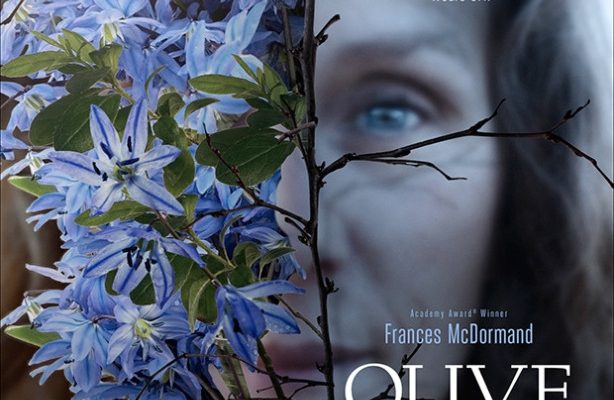
In the realm of cinematic storytelling, few miniseries achieve the emotional resonance and artistry displayed in Olive Kitteridge. This poignant HBO miniseries, which debuted on November 2, 2014, includes four episodes, each approximately 60 minutes long. Adapted from Elizabeth Strout’s Pulitzer Prize-winning work, the series stars Frances McDormand, whose portrayal of Olive marks a high point in her illustrious career. Set against the backdrop of the fictional coastal town of Crosby, Maine, it intricately follows Olive’s 25-year journey as a middle school math teacher, chronicling her tumultuous marriage to Henry and her interactions with the townsfolk.
Advertisements
Olive Kitteridge serves as both a detailed character exploration and a profound reflection on how ordinary individuals grapple with love, loss, and the inexorable passage of time. The narrative bravely confronts themes such as the difficulties of long-term marriage and mental health, revealing the often hidden struggles beneath the façade of everyday life. This adaptation distinguishes itself by presenting life in its authentic complexity—sometimes chaotic and often heart-wrenching, yet occasionally illuminated by moments of unexpected grace.
Furthermore, the miniseries faithfully captures the nuances of small-town existence while delving into universal ideas of isolation, connection, and the challenge of understanding ourselves and those we hold dear.
Crosby, Maine: A Landscape of Intimacy
The narrative centers on the 25-year marriage of Olive and Henry Kitteridge, set in Crosby—a tightly-knit coastal community where lives intertwine in intricate ways. Rather than relying on sensational plot twists, Olive Kitteridge emphasizes the significance of cumulative moments that shape a life. Olive’s acerbic demeanor and sharp intellect make her both a stronghold in her community and a person many would rather avoid.
The miniseries deftly illustrates the duality of small-town dynamics, portraying them as both supportive and suffocating. It reveals the hidden burdens borne by the residents of Crosby, who face challenges ranging from mental health issues to unrealized aspirations.
Olive Kitteridge: A Complex Protagonist
Frances McDormand’s performance as Olive Kitteridge is nothing short of brilliant across all episodes. She embodies this multi-faceted, often unlikable character with fearlessness and nuance, revealing a woman who is both harsh and nurturing, critical yet compassionate. McDormand captures the essence of Olive’s complexities, illustrating her capabilities for both cruelty and unexpected kindness.
What renders Olive a compelling figure is McDormand’s intent to avoid making her traditionally sympathetic. Olive Kitteridge presents her as a fully-formed individual, illustrating the coexistence of profound flaws and human depth.
Henry Kitteridge: The Supportive Foundation
Richard Jenkins’ portrayal of Henry Kitteridge brings essential depth and subtlety to this gentle man who anchors Olive emotionally while enduring her frustrations. Jenkins presents Henry as a character who balances his life around Olive’s challenging nature while retaining his dignity. His performance captures the intricate dynamics of a long-term relationship, in which love can simultaneously nurture and hurt.
At the core of Olive Kitteridge lies the relationship between Olive and Henry, demonstrating how two contrasting individuals can create a shared life despite their differences. Jenkins masterfully conveys Henry’s gentle spirit and his gradual insight that true love may involve the acceptance of never fully comprehending one’s partner.
A Gripping Exploration of Mental Health
The series reaches an intense emotional climax as the Kitteridge family grapples with mental health crises and the specter of suicide in their lives and community. Olive Kitteridge handles these topics with sensitivity, portraying how despair can infiltrate any life, irrespective of support systems. The narrative delves into how Olive’s own struggles with depression have influenced her relationships.
These significant moments uncover the series’ true strength, illustrating that families can be sources of pain and healing alike, and how the most challenging figures in our lives may also offer profound understanding.
Critical Acclaim and Recognition
Olive Kitteridge garnered immense critical acclaim and swept the 2015 Emmy Awards, winning eight awards including Outstanding Limited Series and Outstanding Lead Actress for McDormand, alongside Outstanding Lead Actor for Jenkins. The miniseries demonstrated a widespread audience desire for mature, character-focused storytelling that embraces life’s intricacies. Olive Kitteridge distinguishes itself in the television landscape for its dedication to authentic narratives and willingness to address challenging themes without offering easy fixes.
The series proved that television could achieve emotional depth and literary richness comparable to the finest literature, setting a new benchmark for adaptations.
A Timeless Masterpiece
For those who appreciate character-driven narratives that delve into the intricacies of human relationships, Olive Kitteridge is an essential miniseries to engage with on HBO Max. It transcends mere entertainment to offer profound insights into marriage, family dynamics, and the intricate ways we connect over time.
The Impact of This Profound Miniseries
Olive Kitteridge exemplifies the capability of television to confront the most intricate aspects of human experience with intelligence and genuine emotional nuance. It is a series that engages viewers with its complex characters and difficult truths, making it essential viewing for anyone who values storytelling that honors the multifaceted nature of human life.
Series Overview
Episodes: 4 (Miniseries complete)
Available on: HBO Max, Prime Video; originally aired on HBO
Year Released: 2014
IMDb Score: 8.3/10
Genres: Drama, Family Drama, Literary Adaptation
Status: Concluded miniseries
Main Cast: Frances McDormand (Olive Kitteridge), Richard Jenkins (Henry Kitteridge), Bill Murray (Jack Kennison)
Adversarial Elements: The challenges of human emotions and enduring relationships (no singular antagonist)