
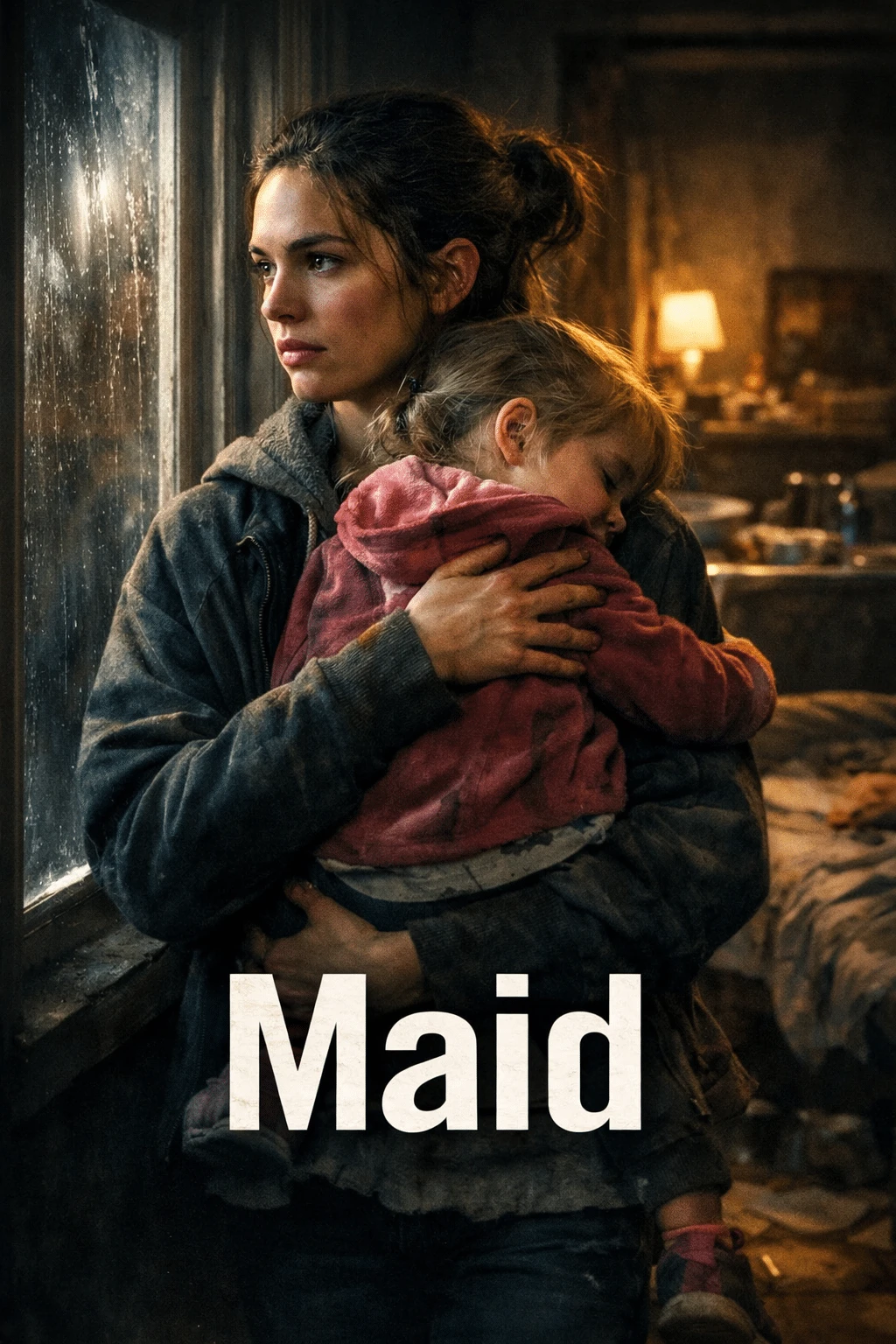
Hello, everyone! How’s everything? Today, I’m excited to share my thoughts on the drama Maid, which has emerged as one of Netflix’s most impactful and emotional limited series. This innovative show illustrates that narratives about endurance, strength, and the pursuit of a better life can be both heart-wrenching and profoundly uplifting.
Advertisements
Maid debuted on Netflix on October 1, 2021, consisting of 10 episodes, each running for around 60 minutes. Created by Molly Smith Metzler and produced by John Wells, the series features Margaret Qualley and Andie MacDowell, a real-life mother and daughter duo, in the leading roles. Based on Stephanie Land’s memoir from 2019, “Maid: Hard Work, Low Pay, and a Mother’s Will to Survive,” the show adapts a genuine account of surviving domestic violence into compelling television that highlights the poverty crisis in America.
This series goes beyond being just another drama about tough situations; it boldly examines how domestic violence and poverty intersect, ensnaring vulnerable individuals in impossible predicaments. Maid breaks new ground by revealing the bureaucratic challenges and systemic failures that complicate the escape from abuse. The show expertly balances raw emotional realities with hope, crafting a viewing experience that is both heart-wrenching and ultimately encouraging as it showcases the resilience of the human spirit.
A Mother’s Urgent Flight from Abuse
After escaping an abusive relationship, a young mother takes up house cleaning work while striving to provide for her child and create a brighter future. The main storyline centers on Alex Russell as she departs from her emotionally abusive boyfriend Sean with her toddler daughter Maddy, only to realize that leaving abuse is merely the start of her struggles. The brilliance of this premise lies in how it uncovers the hidden challenges faced by survivors of domestic violence as they attempt to rebuild their lives.
The beauty of Maid is its genuine depiction of how poverty and abuse form a vicious cycle that is nearly impossible to escape. Each episode unveils new layers of systemic failures, from inadequate government assistance programs to housing predicaments that force untenable choices. The series illustrates how Alex’s efforts to secure stability for herself and Maddy are persistently thwarted by bureaucratic obstacles, financial limitations, and the looming threat of Sean’s manipulation.
Alex Russell: The Resilient Survivor
Margaret Qualley delivers an outstanding performance as Alex Russell, a young mother whose drive to safeguard her daughter influences every choice she makes. Alex’s character development transitions from a woman escaping abuse with sheer hope to someone gradually acquiring the skills and confidence needed to forge an independent life. Qualley imbues the role with remarkable authenticity, requiring her to convey both vulnerability and fierce maternal strength.
What makes Alex intriguing is her determination not to be defined by her circumstances or to accept that poverty and abuse are permanent realities. She makes mistakes, encounters setbacks, and occasionally returns to familiar dangers, yet she never ceases to strive for a better future. Qualley’s portrayal encapsulates every phase of Alex’s journey, from her initial fear and confusion to her growing recognition of her own value and abilities. Her performance ensures that Alex feels like a real individual rather than a mere symbol, making her struggles and triumphs profoundly personal.
Paula Russell: The Complex Mother-Daughter Relationship
Andie MacDowell plays Paula Russell, Alex’s mother, whose own challenges with mental health and relationships complicate Alex’s quest for stability. This relationship exemplifies one of the series’ most intricate dynamics, demonstrating how generational trauma and mental illness can both assist and obstruct someone trying to break free from abuse. MacDowell adds depth to what might have been a straightforward supporting role, portraying Paula as both frustrating and relatable.
The mother-daughter bond drives much of the series’ emotional intricacies, illustrating how family can serve as both a source of support and additional stressors during crises. MacDowell excels in showcasing Paula’s genuine affection for Alex and Maddy while also revealing how her limitations create further challenges. This dynamic enriches the series’ examination of how women support one another through difficult times.
The Moment of Collapse and Resolution
The series reaches its emotional peak when Alex must make crucial decisions regarding her relationship with Sean, her living arrangements, and her future aspirations, all while navigating the intricate demands of government assistance programs. This critical moment exemplifies the series at its most emotionally nuanced, where all of Alex’s growth and setbacks converge in life-altering decisions. The resolution emphasizes Alex’s earned independence and her resolve to break the cycle of abuse for her daughter.
What makes this climax particularly impactful is its refusal to offer fairy-tale endings or simple solutions. Instead, it centers on Alex’s emotional maturation and her capacity to make healthy choices despite ongoing adversities. The final episodes harmonize hope with realism, illustrating that escaping abuse and poverty necessitates continuous effort and support, yet transformation is attainable with determination and the right resources.
Supporting Characters Highlighting Systemic Issues
The series presents compelling supporting performances from Nick Robinson as Sean, Anika Noni Rose as Regina, and various social workers, employers, and community members who represent different facets of the systems Alex must navigate. These characters are not merely obstacles or aides; they embody the intricate web of relationships and institutions that either support or obstruct domestic violence survivors’ attempts to rebuild their lives.
The clients of the cleaning service particularly provide insight into various economic realities, demonstrating how Alex’s work connects her with individuals whose lives reflect the stability she is striving to achieve. These interactions enrich the series’ exploration of class disparities and the invisible labor that sustains comfortable lives.
Netflix Success: A Cultural Awakening
Maid premiered on Netflix in October 2021 and quickly became one of the platform’s most discussed limited series, earning critical acclaim for its authentic depiction of domestic violence and poverty. The series has been characterized as providing “an opportunity to learn about domestic abuse, poverty, and social work” while shedding light on truths about domestic violence that are often misunderstood. Netflix audiences embraced the series for Margaret Qualley’s award-worthy performance and the show’s unflinching examination of social issues impacting millions of Americans.
The series’ success highlights Netflix’s ability to transform challenging subject matter into captivating television that both entertains and informs viewers. Maid demonstrates that audiences are eager for genuine narratives about resilience and survival, sparking discussions about domestic violence resources and poverty assistance programs that extend far beyond mere entertainment.
Why You Should Watch Maid Right Now
If you appreciate stories about human resilience, social justice themes, and characters who battle against insurmountable odds, Maid is the ideal series for binge-watching on Netflix. This limited series not only entertains but also raises awareness of realities that many viewers may not fully comprehend, making it essential viewing for anyone seeking to better understand domestic violence, poverty, and the strength required to rebuild a life from scratch.
A Masterclass in Social Consciousness and Storytelling
Maid excels by treating its subject matter with the respect and complexity it warrants. Rather than exploiting difficult situations for dramatic effect, the series crafts a nuanced exploration of how systems fail vulnerable individuals while honoring the incredible strength necessary to overcome abuse and forge a better future, establishing it as one of Netflix’s most significant and impactful productions.
Series Information
Number of Episodes: 10
Platform: Netflix
Release Year: 2021
IMDb Rating: 8.3
Genre: Drama, Limited Series
Status: Completed (Limited Series)
Main Characters: Margaret Qualley (Alex Russell), Andie MacDowell (Paula Russell), Nick Robinson (Sean Boyd), Anika Noni Rose (Regina)
Antagonist: Systemic poverty, cycles of domestic abuse, and bureaucratic barriers to assistance