
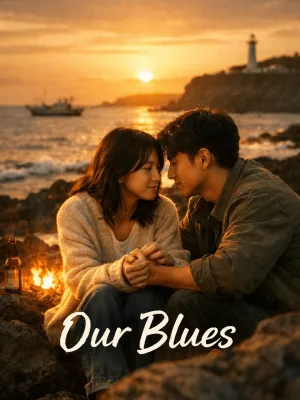
Hello, everyone! How are you doing? Today, I’m excited to share my thoughts on the drama Our Blues, which has enchanted viewers globally with its stunning depiction of community life available on Netflix.
Advertisements
This ensemble drama, which premiered in April 2022, consists of 20 episodes, each running about 80 minutes on Netflix. Set against the scenic backdrop of Jeju Island, it intertwines various interconnected narratives that delve into the intricacies of human connections, familial relations, and personal development. Departing from the norm of typical K-dramas that usually center on a singular romantic plot, Our Blues showcases an anthology-style storyline that follows different members of a small island community as they face life’s hurdles and victories.
The show distinguishes itself with its authentic representation of everyday individuals confronting extraordinary situations, forming a rich mosaic of human experiences that resonates with an audience from diverse backgrounds. Each episode shifts focus among various characters while preserving the overarching themes of resilience, forgiveness, and the strength found in communal support.
One Community, Many Stories
The narrative unfolds through several interconnected stories centered around the inhabitants of Jeju Island. At the core of these tales are Lee Dong-seok, a former professional soccer player turned truck driver, and Min Sun-ah, a successful woman returning to her roots with hidden secrets. Their rekindled romance serves as a key thread that links the various narratives.
Other significant plots include the youthful love between Park Jung-jun and Choi Han-su, teenage sweethearts grappling with an unplanned pregnancy; the romance of Bang Ho-sik and Lee Yeong-ju, middle-aged individuals discovering love later in life; and the intricate bond between Ok Dong-seok and his daughter as they confront past wounds and misunderstandings. Each plot explores different phases of life and love, ranging from adolescent romance to companionship in old age.
Lee Dong-seok and Min Sun-ah: A Second Chance at Love
Dong-seok symbolizes the everyman who has tasted both triumph and defeat, learning to find joy in the simple life on the island. His character journey delves into themes of redemption and second chances, as he rebuilds his life after an injury ended his soccer career. His relationship with Sun-ah sparks a confrontation with his past regrets and prompts him to learn to love again.
Sun-ah’s character represents a successful urban woman who returns home to confront unresolved issues. Her journey involves facing family trauma, societal expectations, and her own insecurities about vulnerability. The chemistry between these two creates a mature romance that feels genuine and rooted in real emotional growth instead of theatrical gestures.
Park Jung-jun and Choi Han-su: The Trials of Young Love
The teenage subplot delivers some of the drama’s most emotionally taxing moments, as Jung-jun and Han-su deal with an unexpected pregnancy that accelerates their transition to adulthood. Their journey examines themes of responsibility, familial pressure, and the burden of choices that will shape their futures.
These young characters symbolize hope and resilience, demonstrating how love can endure even under the most trying circumstances when supported by compassionate families and communities. Their transformation from carefree teens to young adults facing real-life consequences provides some of the series’ most poignant emotional moments.
The Convergence of All Narratives
The series reaches its emotional zenith during episodes that unite all the storylines amid community crises and celebrations. These moments of convergence illustrate how personal struggles impact the entire community and how collective support aids individuals in overcoming their darkest times. The climax episodes reveal the true essence of belonging, emphasizing that home is not just a location but the people who stand by you.
The resolution of each plot feels deserved and realistic, steering clear of tidy Hollywood endings in favor of authentic outcomes that acknowledge both progress and ongoing challenges. The series effectively shows that life continues beyond dramatic events, and healing is a continuous journey rather than a destination.
The Pulse of Community
The diverse supporting cast enriches the island’s setting, with each character adding to the overall fabric of community life. From local shopkeepers to elderly residents with their own love stories, every character feels vital to the world the series creates.
The series excels at depicting different generations coexisting and learning from one another, illustrating how wisdom is passed between age groups and how each generation approaches universal human challenges in their distinct ways.
A Netflix Triumph
Our Blues achieved remarkable success on Netflix by providing viewers with something fresh compared to conventional K-drama content. Global audiences were attracted to its genuine representation of Korean island life, its mature approach to complex themes, and its ensemble cast featuring beloved actors such as Lee Byung-hun, Shin Min-a, and Kim Woo-bin. The series received acclaim for its cinematography that highlights Jeju Island’s natural beauty and its realistic storytelling that avoids melodramatic clichés. Its anthology format allows viewers to connect with multiple narratives while experiencing the richness of community life.
If you enjoy character-driven dramas filled with authentic human experiences and stunning settings, Our Blues is an excellent series to binge-watch on Netflix. A beautifully crafted drama that celebrates the beauty of everyday life, proving that the most potent stories often arise from the simplest human connections.
Série Detalhes:
Número de Episódios: 20 episodes
Plataforma: Netflix
Avaliação: 8.9/10 IMDb
Gênero: Slice of Life, Romance, Family Drama
Protagonistas: Lee Byung-hun (Lee Dong-seok), Shin Min-a (Min Sun-ah), Kim Woo-bin (Park Jung-jun), Han Ji-min (Lee Yeong-ju)
Antagonista: Circunstâncias da vida/Lutas pessoais (sem vilão tradicional)