
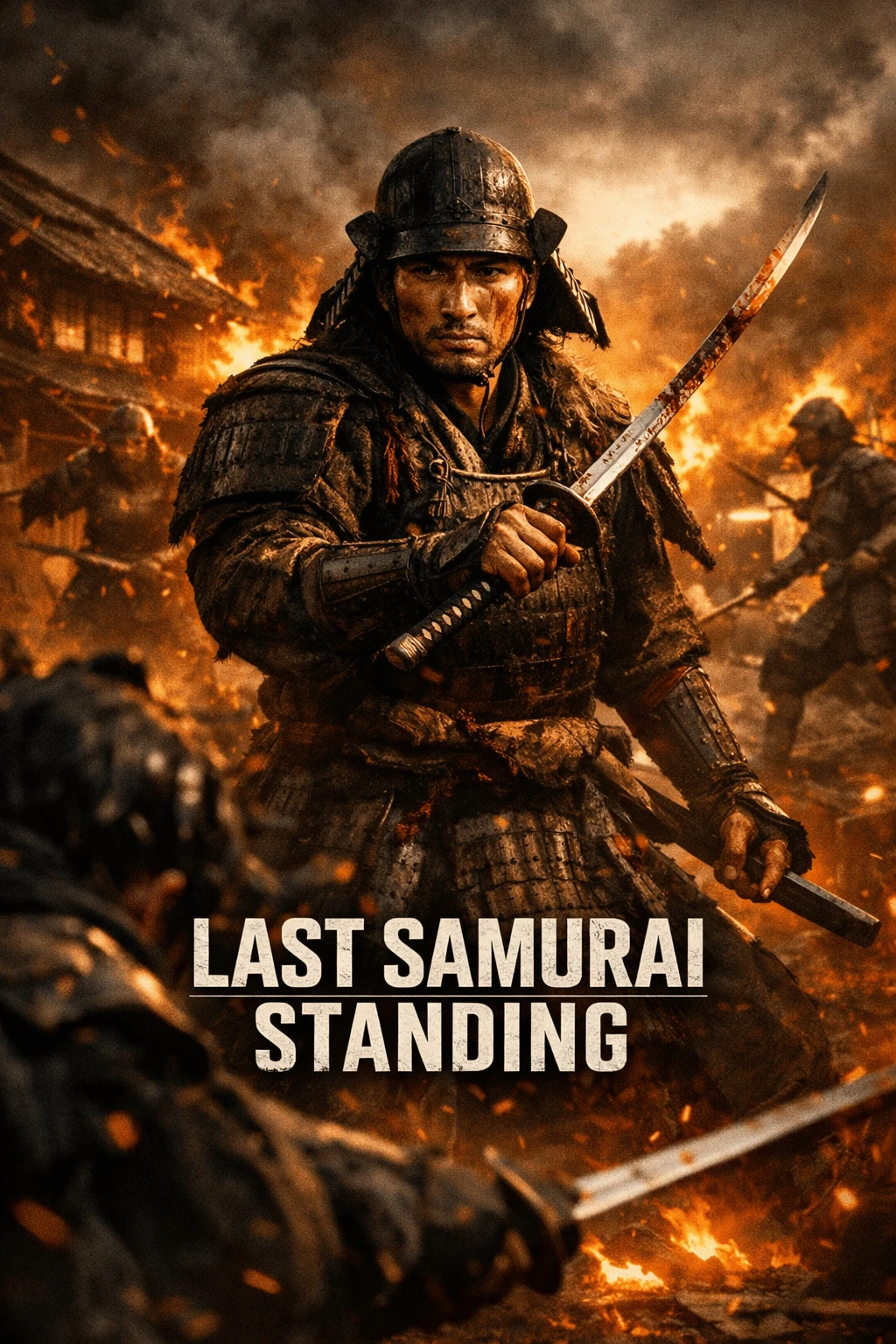
The Last Samurai: A Battle for Survival
“The Last Samurai” emerges as one of Netflix’s most ambitious and highly awaited productions for 2025. It aims to redefine the Japanese historical drama genre with an audacious concept that merges elements of “Shōgun” with the psychological intensity of “Squid Game.” Directed by Michihito Fujii and inspired by Shogo Imamura’s acclaimed manga “Ikusagami,” the series immerses viewers in the final days of the samurai era, where traditional honor clashes brutally with the harsh reality of survival.
Advertisements
Historical Background and Storyline Overview
Set in 1878 during the Meiji era, the series captures a pivotal moment in Japanese history when samurai lost their elite status and were compelled to adapt to a rapidly modernizing society. This historical shift serves as a compelling backdrop for a narrative that delves into not just physical battles but also the existential dilemmas faced by warriors witnessing their way of life becoming irrelevant.
The core concept is both straightforward and profoundly impactful: 292 skilled fighters convene at Tenryuji Temple in Kyoto, lured by the promise of an astonishing reward of 100 billion yen. The ensuing deadly contest of survival means that only the last samurai remaining can secure victory and, crucially, the opportunity to rescue their family.
Character Arcs and Driving Forces
At the heart of this grand conflict is Shujiro Saga, skillfully portrayed by Junichi Okada, a determined warrior entering the tournament with a singular aim: to save his ailing wife and child. This personal stake elevates the narrative beyond mere action, transforming each clash into a life-or-death scenario that carries deep emotional weight.
Okada, who also takes on the roles of producer and action choreographer, infuses the character with a raw authenticity, showcasing not only martial prowess but also the fragility of a man facing insurmountable odds. His portrayal is poised to be the emotional core of the series, grounding the visual grandeur in a relatable human experience.
Directorial Vision and Cinematic Approach
Michihito Fujii, acclaimed for projects like “The Journalist” and “18×2 Beyond Youthful Days,” brings a refined cinematic vision to the series. The director possesses a keen understanding of the epic scale needed to depict large battles while also capturing the intimacy crucial for character development.
Choosing Tenryuji Temple as the main location is not just a stylistic choice; it carries symbolic significance, embodying both Japanese spiritual heritage and the confined arena where fates will be determined. The art direction is set to faithfully recreate the Meiji period, offering viewers an immersive visual experience of the time.
Production Scale and Ambition
With nearly 300 actors involved, each requiring unique costumes and tailored fight choreography, “The Last Samurai” marks a significant milestone in Japanese television production. The scale of the project, likened by the director to producing three films at once, promises to deliver unprecedented action sequences in Japanese media.
Junichi Okada’s involvement as action choreographer guarantees authenticity in fight scenes, ensuring that the battles honor both martial traditions and the narrative’s needs. This meticulous attention to detail indicates that the series will prioritize realism while avoiding superficial spectacle.
Timeless Themes and Modern Significance
Though set in the 19th century, “The Last Samurai” tackles themes that resonate universally: the fight for survival amid transformation, the clash between tradition and progress, and the sacrifices individuals make for their loved ones. The series serves as a poignant metaphor for societies in flux, where long-standing values are challenged by emerging realities.
The notion of samurai honor gains new meaning when confronted with the primal need to survive. This central conflict is likely to evoke profound moral contemplation, prompting viewers to question whether noble ideals can endure under extreme pressure.
Global Potential and Impact
The creators’ comparison of the series to “Shōgun meets Squid Game” is intentional, reflecting their ambition to craft a show that merges the visual allure of period dramas with the psychological suspense of survival stories. This blend could attract both historical drama aficionados and suspense narrative fans.
Netflix’s investment in this distinctly Japanese story with universal themes underscores confidence in its global resonance, suggesting that “The Last Samurai” could emulate the international success of other Asian series on the platform.
Anticipations and Concluding Thoughts
“The Last Samurai” aims to emerge as a pivotal moment in modern Japanese entertainment, promising to elevate production standards for historical dramas while delivering an emotionally engaging storyline. The fusion of seasoned talent, high-quality production, and a distinctive narrative premise sets the stage for high expectations.
The series holds the potential to reshape genre standards, illustrating that historical dramas can honor tradition while innovating in storytelling. If realized with the anticipated quality, it could become a benchmark for future productions in the field.
With its combination of visual grandeur, emotional resonance, and thematic significance, “The Last Samurai” aspires to transcend mere entertainment – offering a cinematic journey that respects both the samurai legacy and the expectations of today’s audience. The series signifies not only the closure of an era within its narrative but also possibly the dawn of a new approach to Japanese historical dramas.